Description
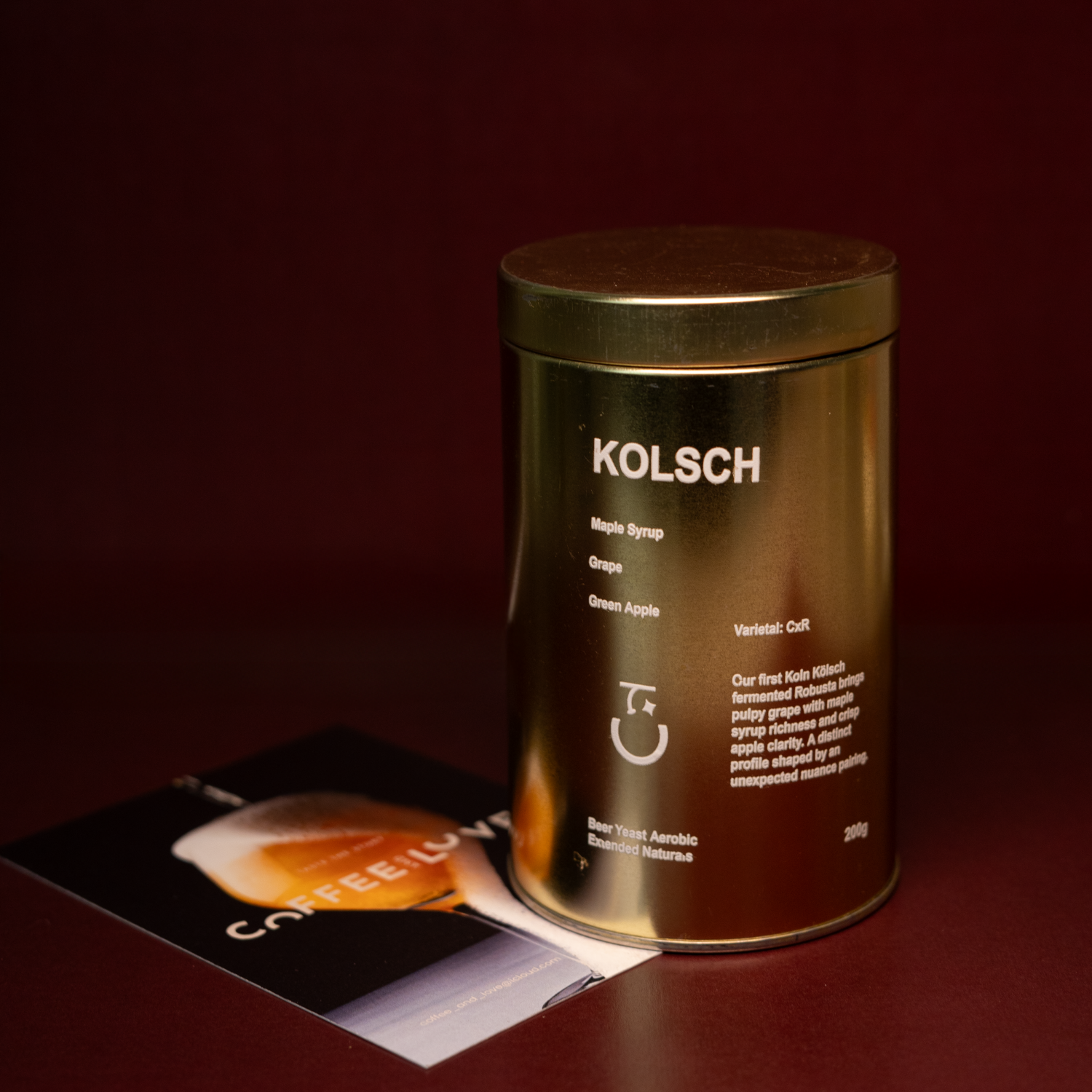
The coffee lot Kölsch is named after the Kölsch Ale Anaerobic Natural Process, inspired by the founders’ experiences in Germany. In October 2019, she participated in a student exchange program at the University of Cologne, Germany, exploring sustainable city development. Each day brought fascinating insights into water and flood management, urban biodiversity, green spaces, and climate forests. We attended a law conference on single-use plastics, trekked through the Berchtesgaden and Eifel National Parks, and immersed ourselves in the wonders of temperate ecosystems.
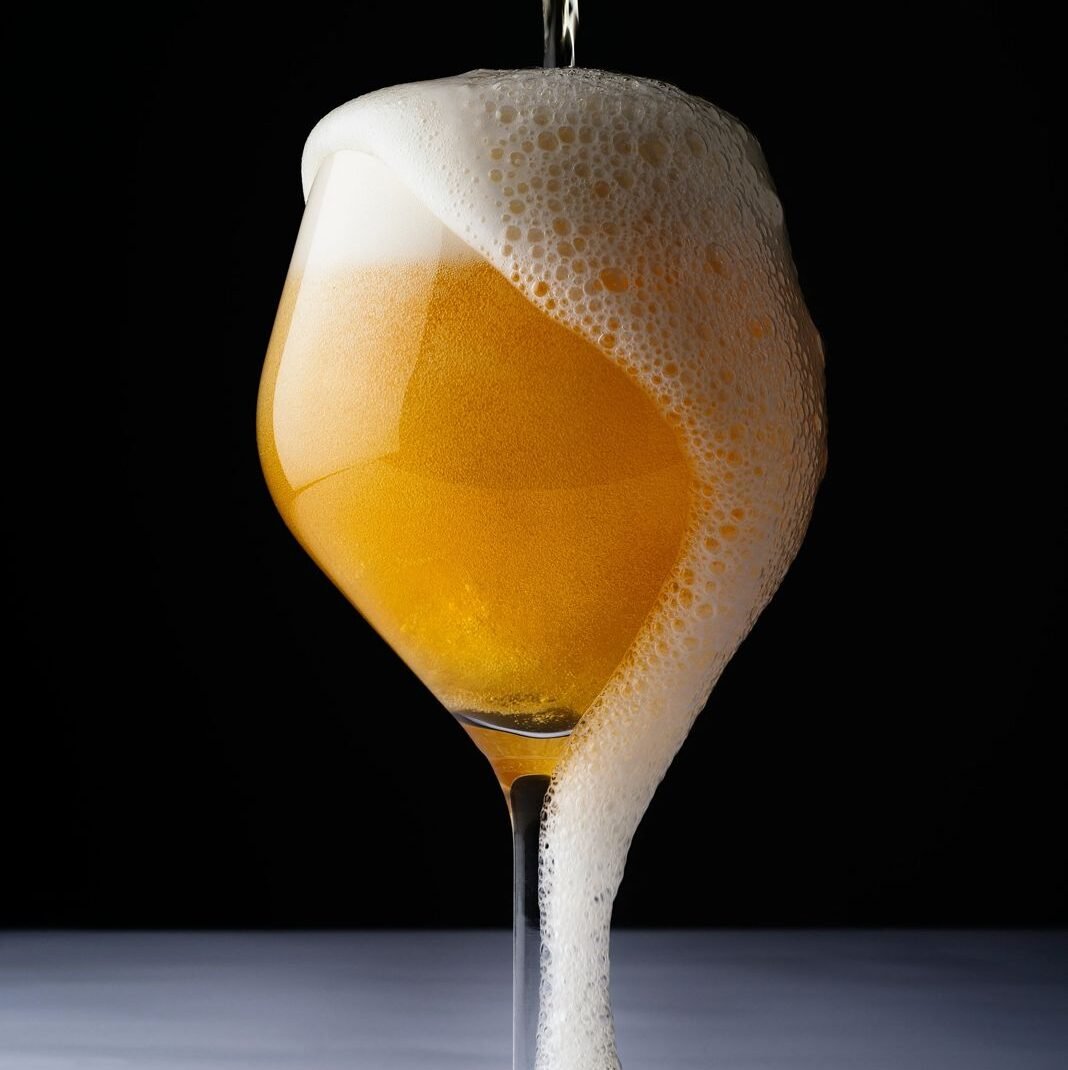
A defining moment of this experience unfolded over a barrel of Reissdorf Kölsch, shared with fellow exchange students and those from the University of Cologne. Conversations flowed effortlessly, bridging perspectives with every toast, an experience to be savored, now expressed in this coffee lot.
That trip reshaped my approach to coffee, balancing nature with progress and tradition with innovation. Kölsch reminds me of that shift in perspective, connecting what I learned in Germany with what I strive for on the farm today.
What stood out most to me was Cologne’s approach to sustainability. The city had integrated flood management systems using aluminum dams, and discussions about reducing single-use plastics felt deeply familiar. Many of these ideas weren’t new to me. They were practices we as Indians had long incorporated into our daily lives. Leaf plates, reusable containers and bicycles over cars, things that were once second nature to us, were now being reintroduced elsewhere as sustainable solutions. It made me realize that sustainability isn’t always about innovation. Sometimes, it is about rediscovering what already worked.