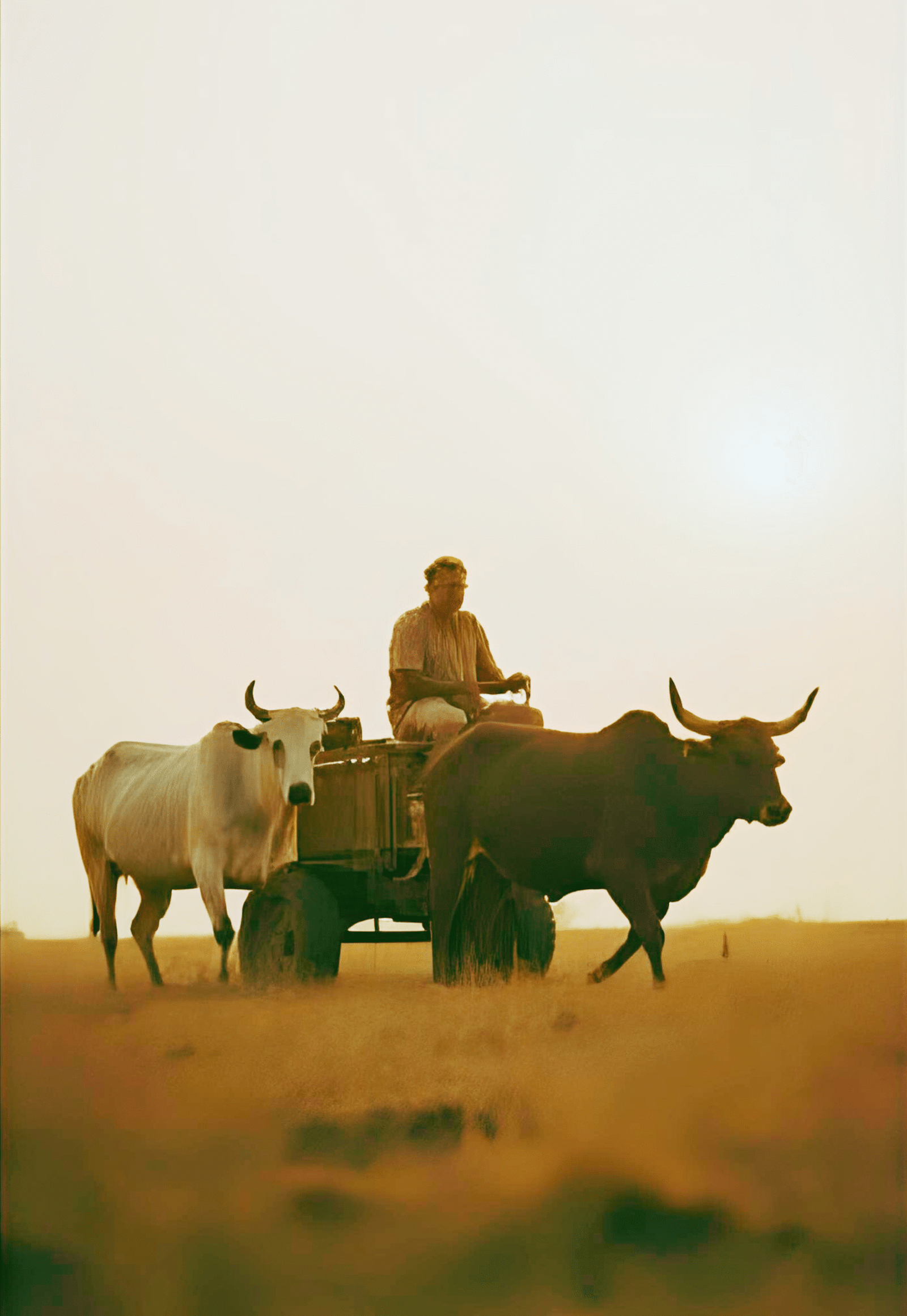
Back in the day, short rains and intense summer heat posed significant challenges for coffee cultivation, often resulting in poor flowering and reduced yields. To overcome these issues, Grandpa Benjamin, a visionary ahead of his time, introduced the German pipeline irrigation system. This forward-thinking initiative not only enhanced soil moisture levels but also provided consistent hydration to coffee plants, promoting robust flowering and significantly reducing leaf scorching. By addressing the impact of harsh summer patterns, this innovation fortified the estate’s resilience against unpredictable weather, ensuring high-quality harvests for generations to come.
Queen's Quest
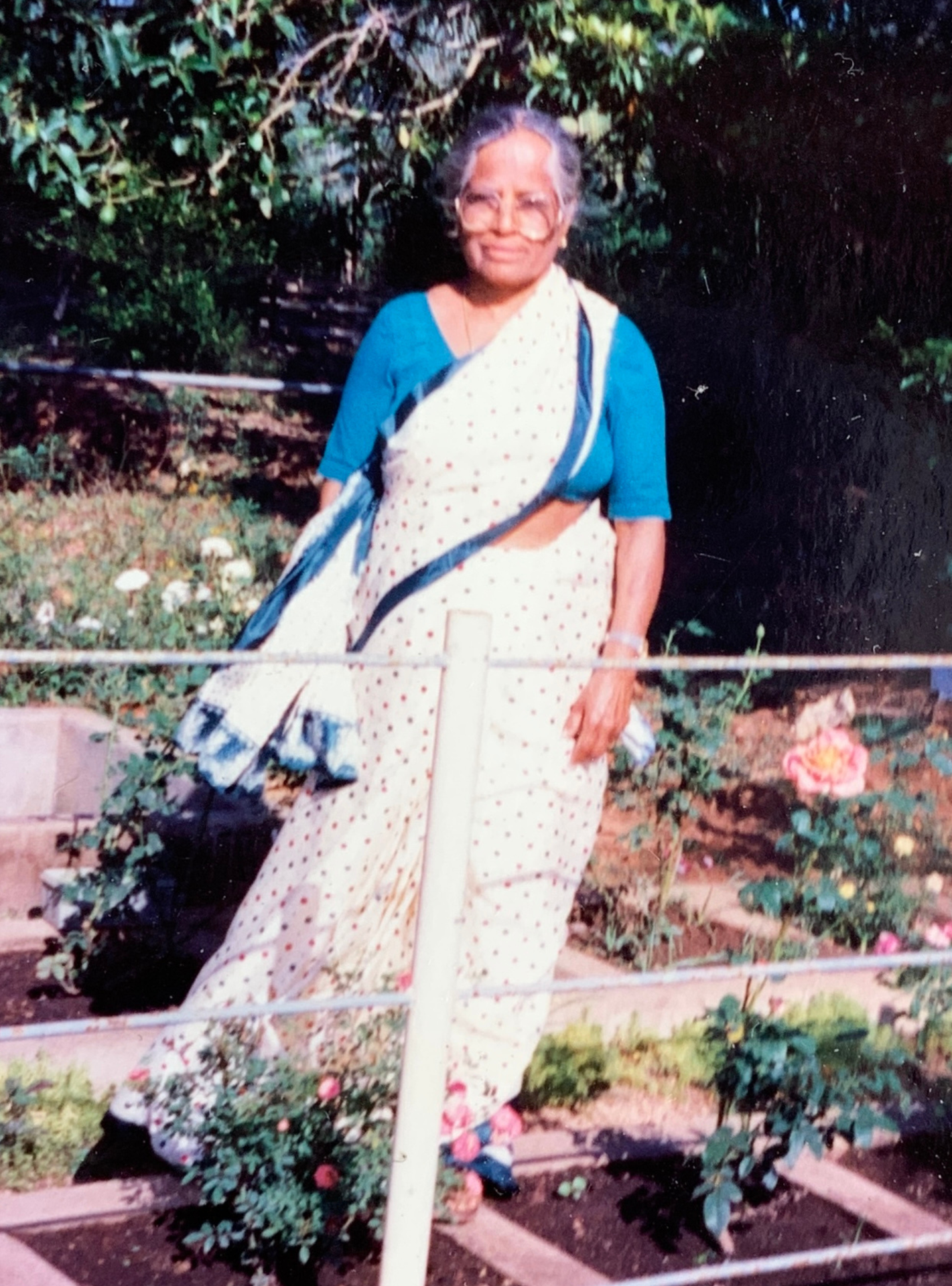
My grandma, Queenie Mascarenhas, was widowed at a young age and had to navigate the male-dominated coffee industry while raising her two school-going children. A courageous woman, she would supervise the estate alone on winter nights with just a stick in one hand and a rosary in the other. Warm and social, she loved traveling and hosting guests, always ready with her homemade buttermilk and coffee. Summers were marked by family feasts of toddy-fermented sanna, “GUZZO” (tender jackfruit dish), and fruit wines like star fruit, passion fruit, beetroot, ginger, wheat, and rice. Beyond family and coffee, Queenie was determined to change the face of Magundi through healthcare and education, which eventually drew her into politics.
THE LEGEND
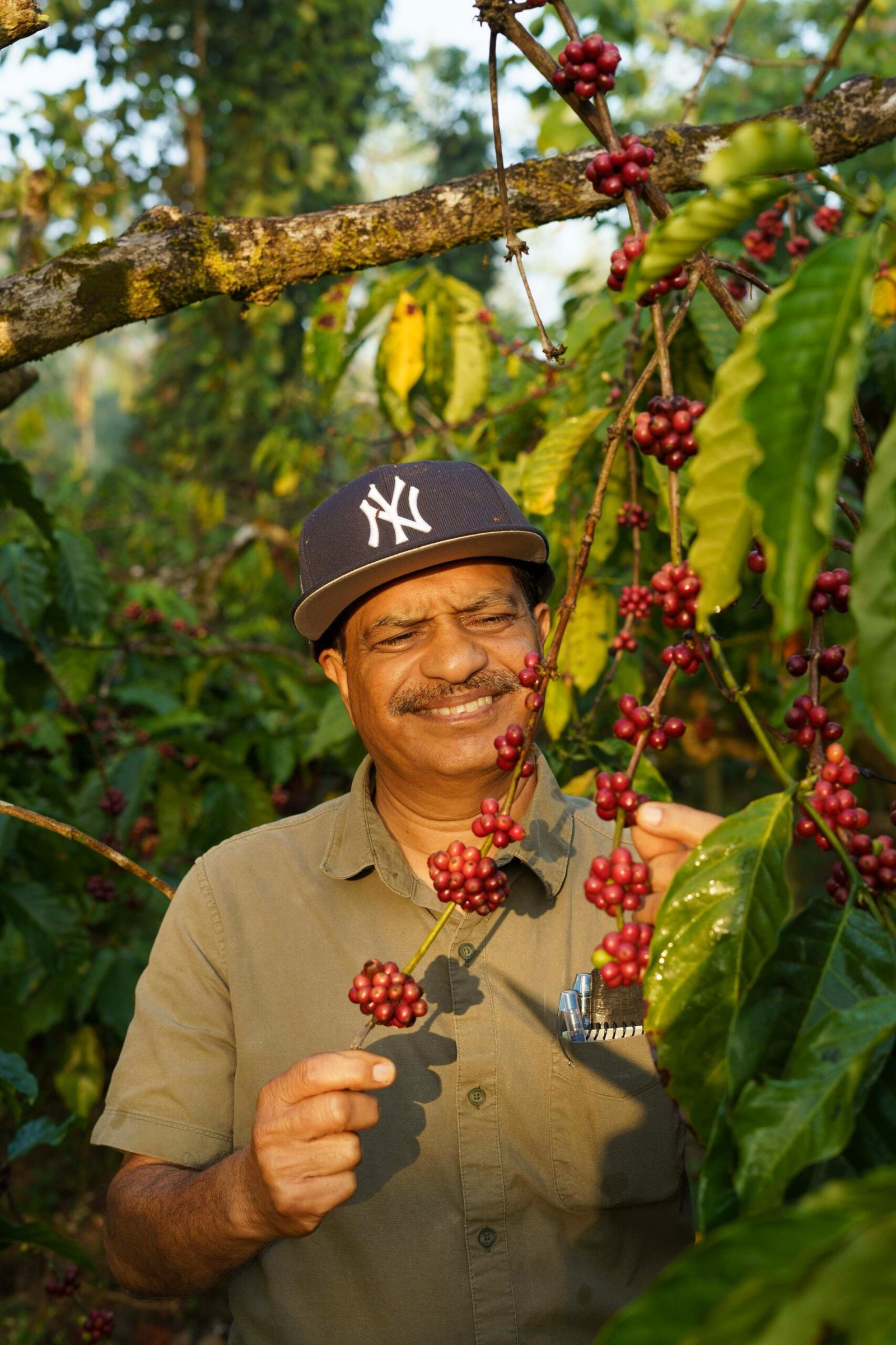
On the sprawling hills of St. Margaret Estate, Lionel Mascarenhas works amidst rows of coffee bushes, their cherries gleaming in the morning sun. For over 30 years, the estate sold cherry coffee to local traders, but Lionel believed there was untapped potential in his beans. Driven by curiosity, he experimented with parchment coffee, carefully pulping, washing, and drying the coffee. This meticulous method gave him greater control over the quality, and soon, the results spoke for themselves. The parchment coffee’s chocolatey flavors elevated the estate’s reputation, fetching higher prices and increasing revenue. Lionel’s unyielding commitment to refining his craft set St. Margaret Estate on a path of excellence, and the story just beginning.
The Specialist
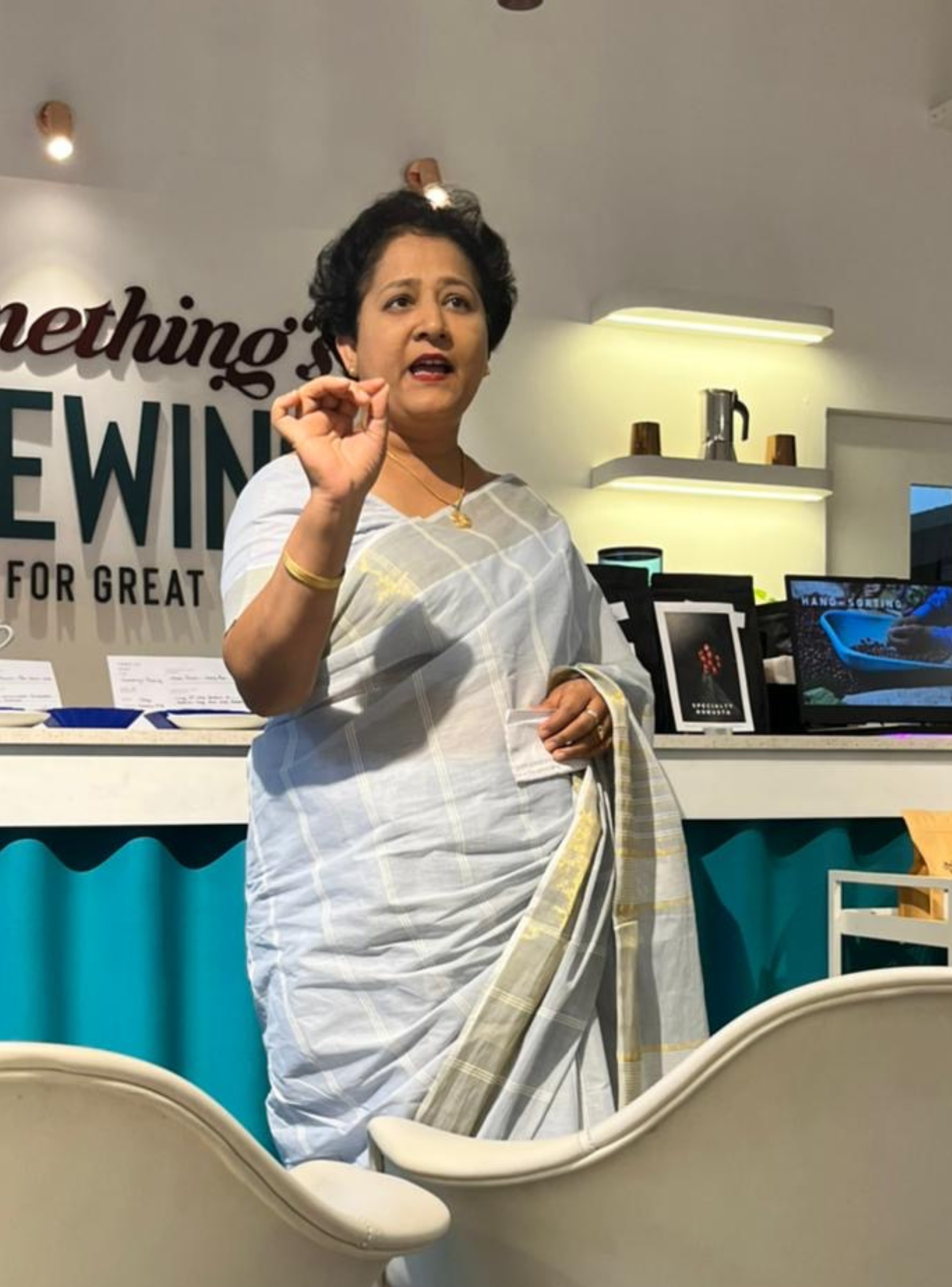
Vimala Mascarenhas has perfected the art of coconut processing, dedicating time and effort to sort the choicest coconut meat for oil production. Hailing from Mangalore, she learned the craft of coconut cultivation and oil extraction from her mother, Eva Dcunha. Mangalore’s sunny climate and rich culinary traditions, which use coconut in various dishes, have deeply influenced her work. Vimala carefully sundries the coconut meat and uses a cold pressing process to preserve its natural nutrients. Expanding her repertoire, she now produces eco-friendly, sustainable coconut oil, alongside batches of finest turmeric powder and lemongrass. Through her dedication, she offers high-quality, natural products, ensuring both flavor and health are preserved.